
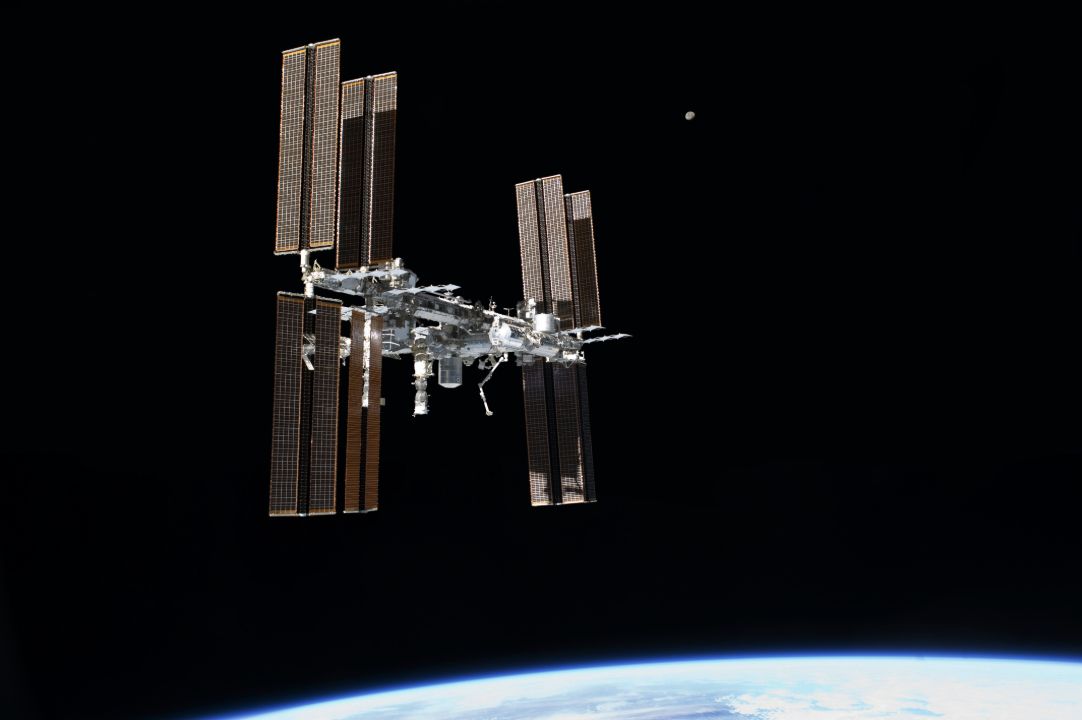


On November 15, 2021, the International Space Station crew woke to an unusual instruction: close specified hatches and take shelter in their spacecraft. A Russian missile test had broken up a satellite, leaving a cloud of debris in low-Earth orbit.
The crew waited in their docked Soyuz and Crew Dragon vehicles, ready to return to Earth if necessary. NASA’s November 17 update reported that no debris avoidance maneuver had been performed and station telemetry showed no issues during the first 24 hours.
Why could a satellite breakup threaten the station?#
U.S. Space Command reported that a Russian direct-ascent anti-satellite missile struck the Russian satellite Cosmos 1408 on November 15. “Direct ascent” describes a weapon launched toward a target in space. The collision created a debris field in low-Earth orbit, the region where the ISS also travels.
The fragments did not need to follow the station like a pursuing object to create a hazard. Objects orbit Earth along paths of their own; if those paths cross the station’s path at the wrong time, a collision is possible. NASA said the station passed through or near the vicinity of the cloud about every 90 minutes. The agency’s specialists assessed the risk and called for shelter during two passes.
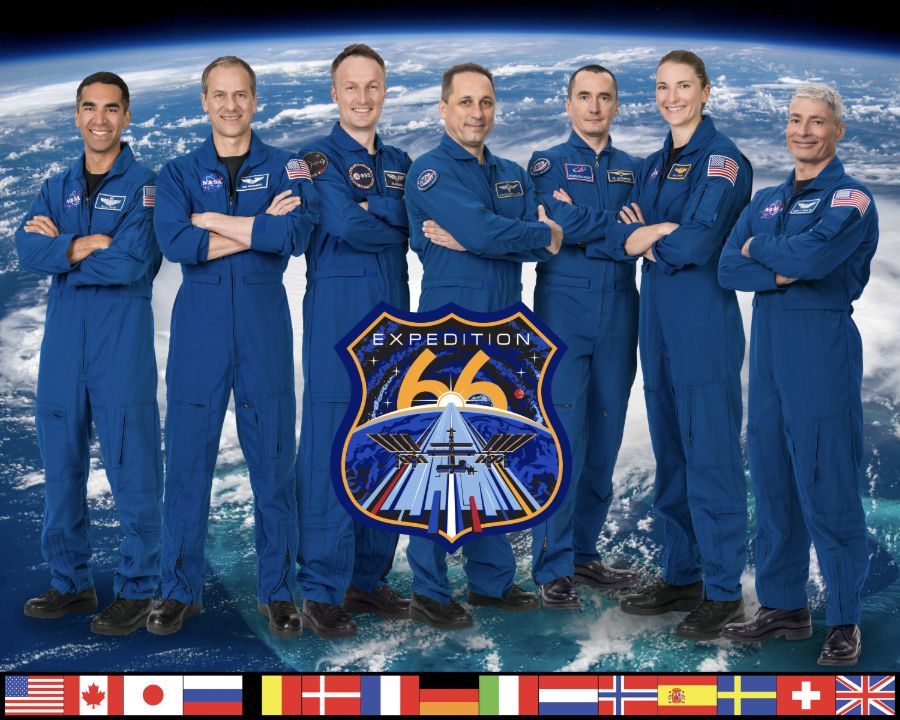
Image unavailable.
Seven Expedition 66 crew members in blue flight suits pose against an Earth backdrop and expedition emblem.

Why was the crew sent into spacecraft?#
The crew closed hatches to modules extending from the station’s center, then entered Soyuz and Crew Dragon for approximately two hours. The vehicles remained docked. NASA later reported that the station and crew were safe and normal operations had resumed.
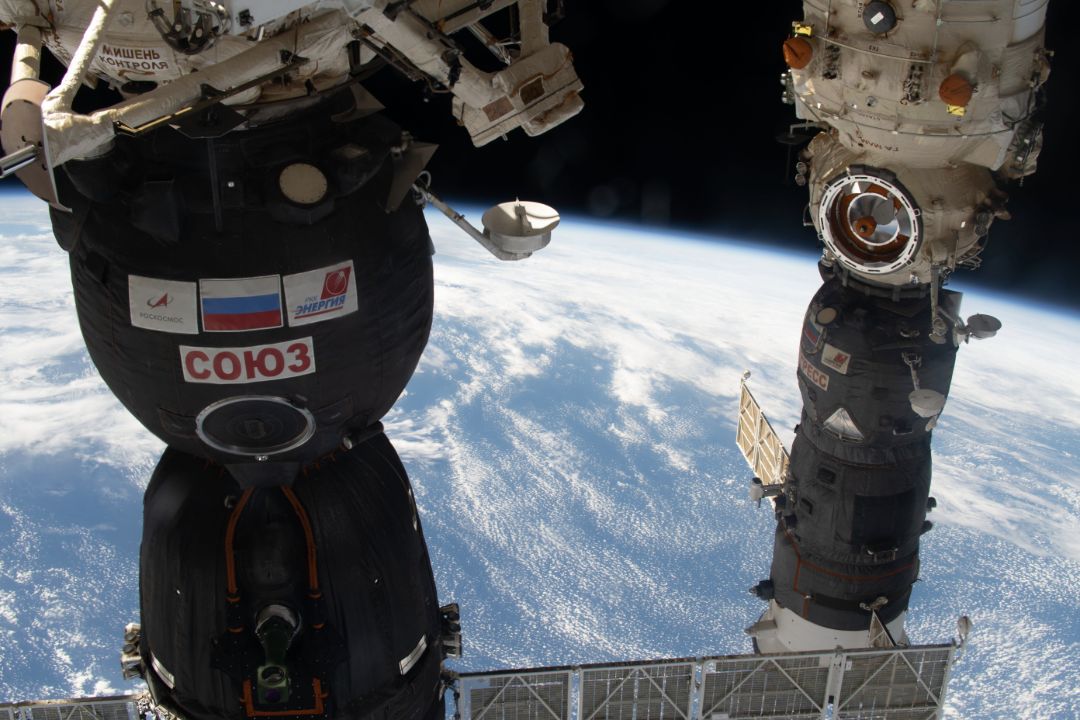
Image unavailable.
Soyuz MS-19 and Progress 78 docked to the ISS above Earth.


What would have happened if the station leaked air?#
NASA’s contingency procedure describes what would happen if debris struck the station and caused an air leak: the crew could close hatches to isolate the affected module. If there were no time to isolate it, they would enter their respective spacecraft and, if necessary, undock and return to Earth. That was a contingency, not what happened on November 15.
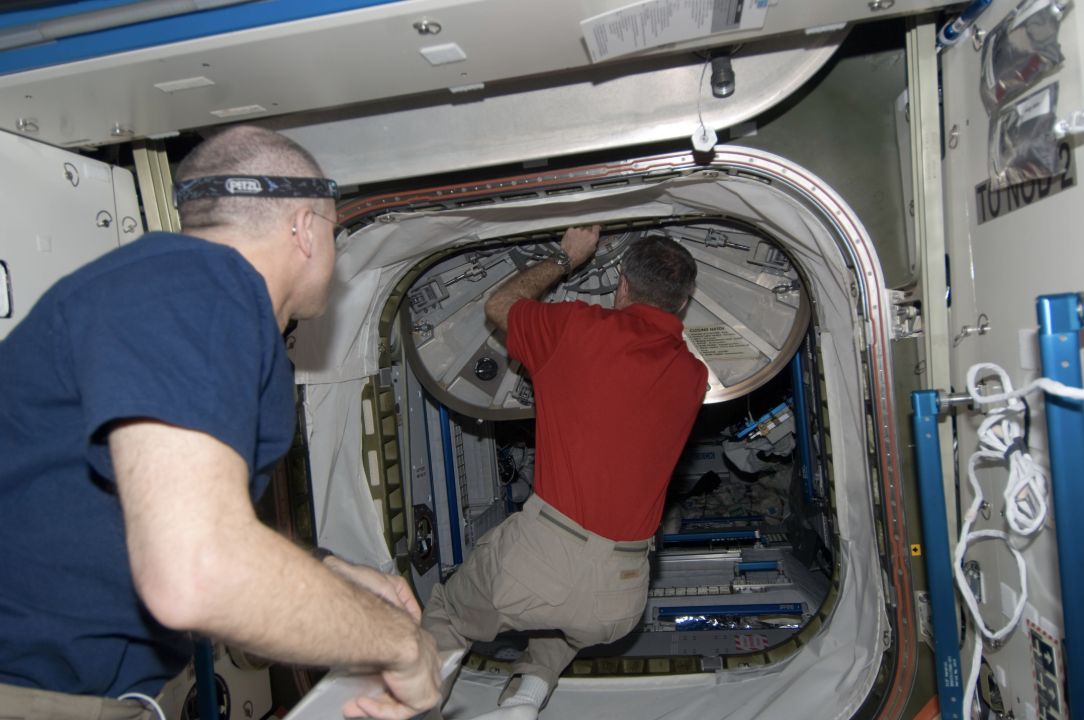
Image unavailable.
Astronaut Dan Burbank closes a hatch inside the ISS while Don Pettit watches.


Sources: [3]
Why not simply move the station away?#
A maneuver is one of the ways NASA can reduce the risk from orbital debris, but no debris avoidance maneuver was performed for this incident. Instead, specialists assessed the new cloud and the crew used the safe-haven procedure. NASA did not say in its update that a maneuver was impossible or explain every factor behind the choice.
A cloud also presents a different information problem from a single catalogued object. After a breakup, the pieces have to be identified and tracked. NASA said it would receive warnings of potential close approaches once the cloud dispersed and items were tracked and catalogued, and would maneuver as necessary. U.S. Space Command tracks debris; NASA performs the analysis for potential encounters with the station.
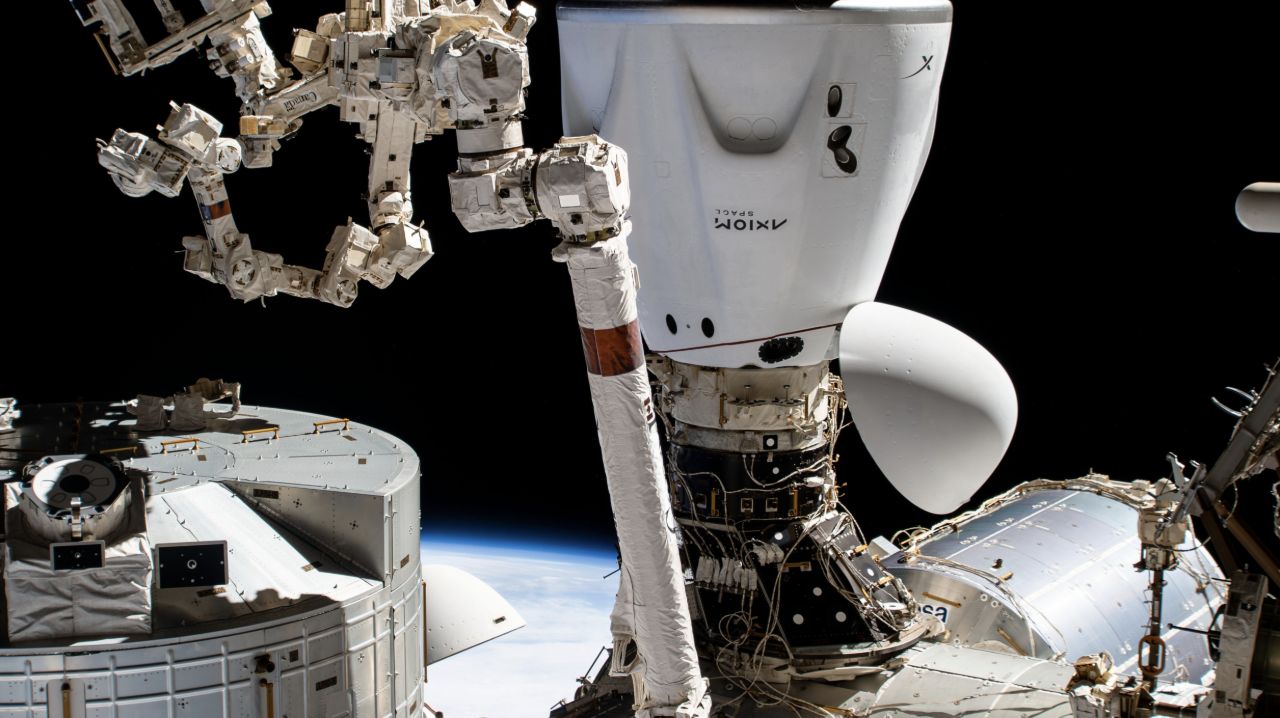
Image unavailable.
Crew Dragon Endeavour docked to the ISS Harmony module.


Sources: [3]
What can tracking tell us about the debris?#
Tracking gives operators information about identifiable pieces, but it does not turn every fragment from a breakup into a known object at once. On the day of the test, U.S. Space Command reported more than 1,500 trackable pieces and projected many smaller pieces. Those were initial figures, not a present-day count. Two days later, NASA said cataloguing the total number of identifiable pieces was still in progress.
The distinction matters for crews and satellites sharing orbital space: a warning depends on knowing enough about an object’s path to assess a potential encounter. Monitoring continues after the immediate emergency because the cloud does not disappear when the crew comes out of shelter.
The 2021 test was one example of a satellite being deliberately destroyed from the ground. An earlier test used a very different launch platform: a fighter jet carrying a missile.
Keep exploring
Sources & further reading
Follow the original research, records, and explanations behind this story.
- Russian direct-ascent anti-satellite missile test creates significant, long-lasting space debris U.S. Space Command
Reports the test, satellite breakup and initial trackable-debris estimate.
- NASA Administrator Statement on Russian ASAT Test NASA
Contemporary account of the crew response and two shelter passes.
- Crew Operations Aboard Space Station Return to Normal NASA
Describes the spacecraft, contingency procedures, tracking and resumption of operations.
Follow the thread