SpaceExplained
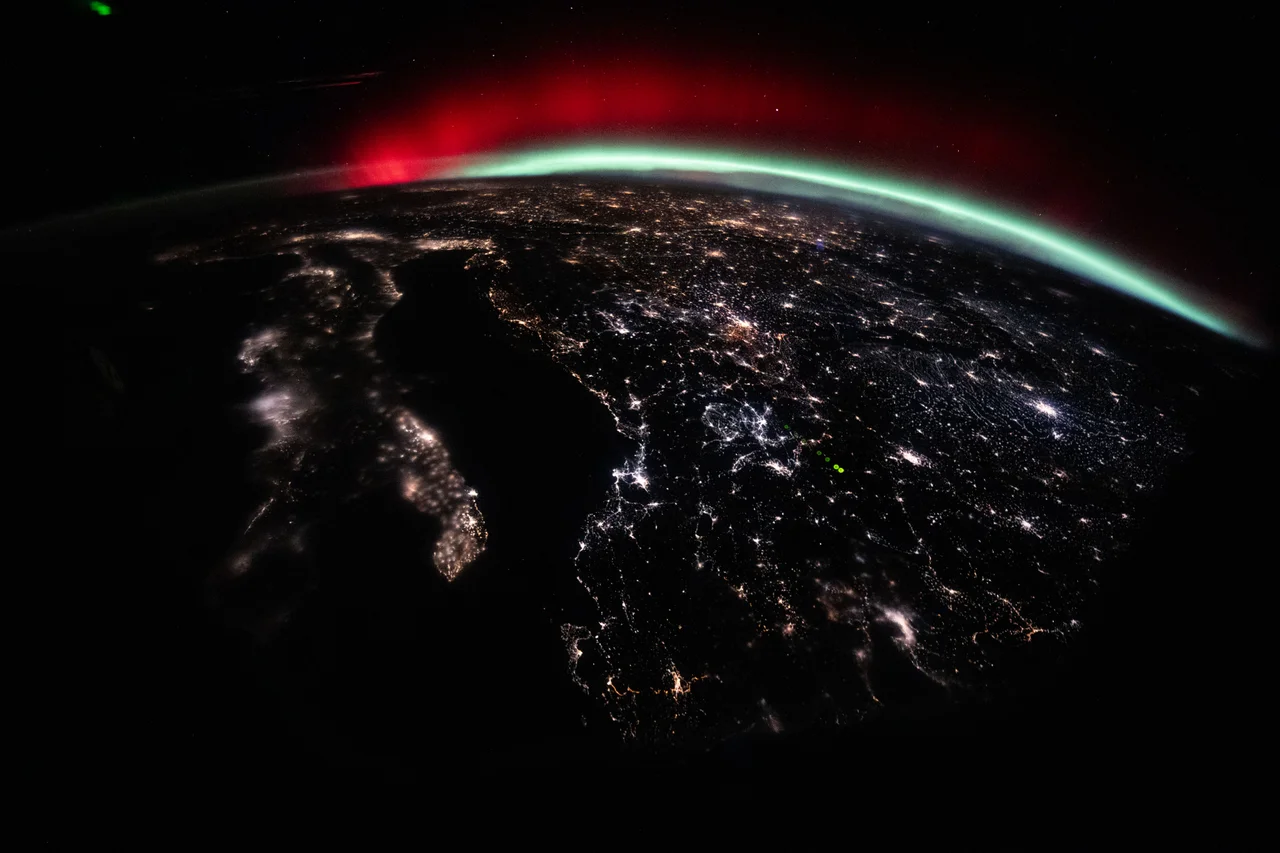
Why the aurora changes color
Green, red, blue and pink are clues to the gases above us — and to what happens when those gases receive energy from space.
Read the story01 / Look up
Strange skies, distant worlds, and the people who took us beyond Earth.
Space
Green, red, blue and pink are clues to the gases above us — and to what happens when those gases receive energy from space.
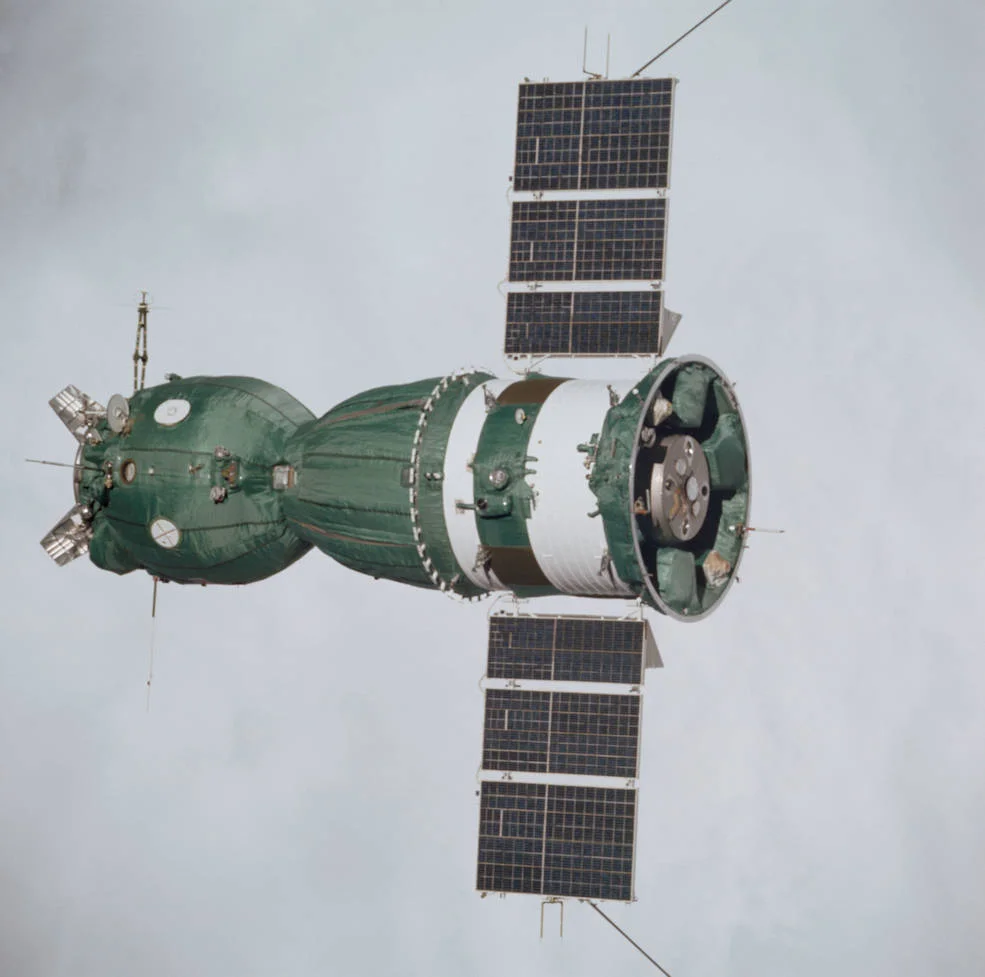
Read the storyBefore two crews could greet each other in orbit, engineers had to connect different docking systems, different cabin atmospheres and different ways of working.
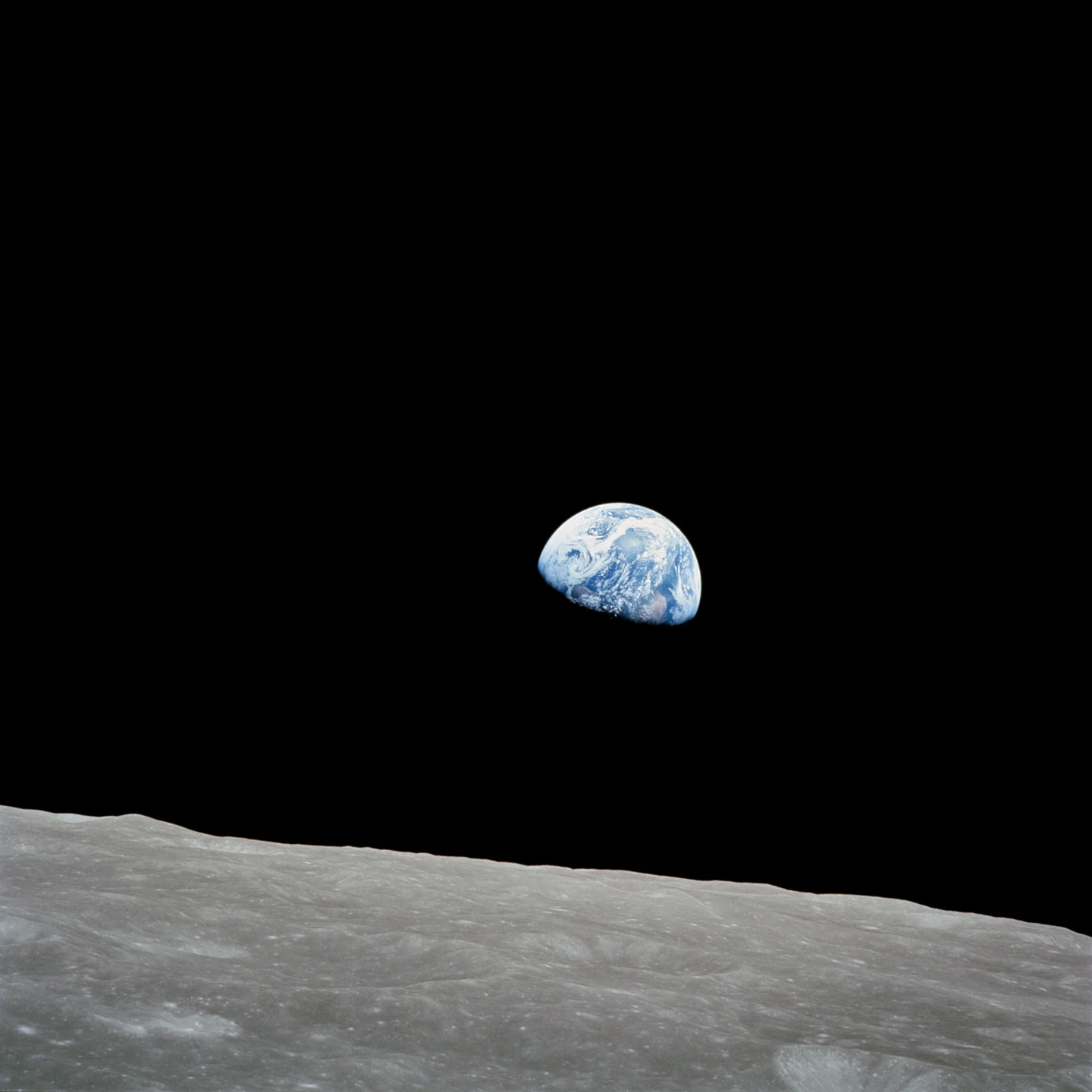
Read the storyWhy NASA sent three people around the Moon, how Earth rose into their window, and what it took to bring the crew and their photographs home.
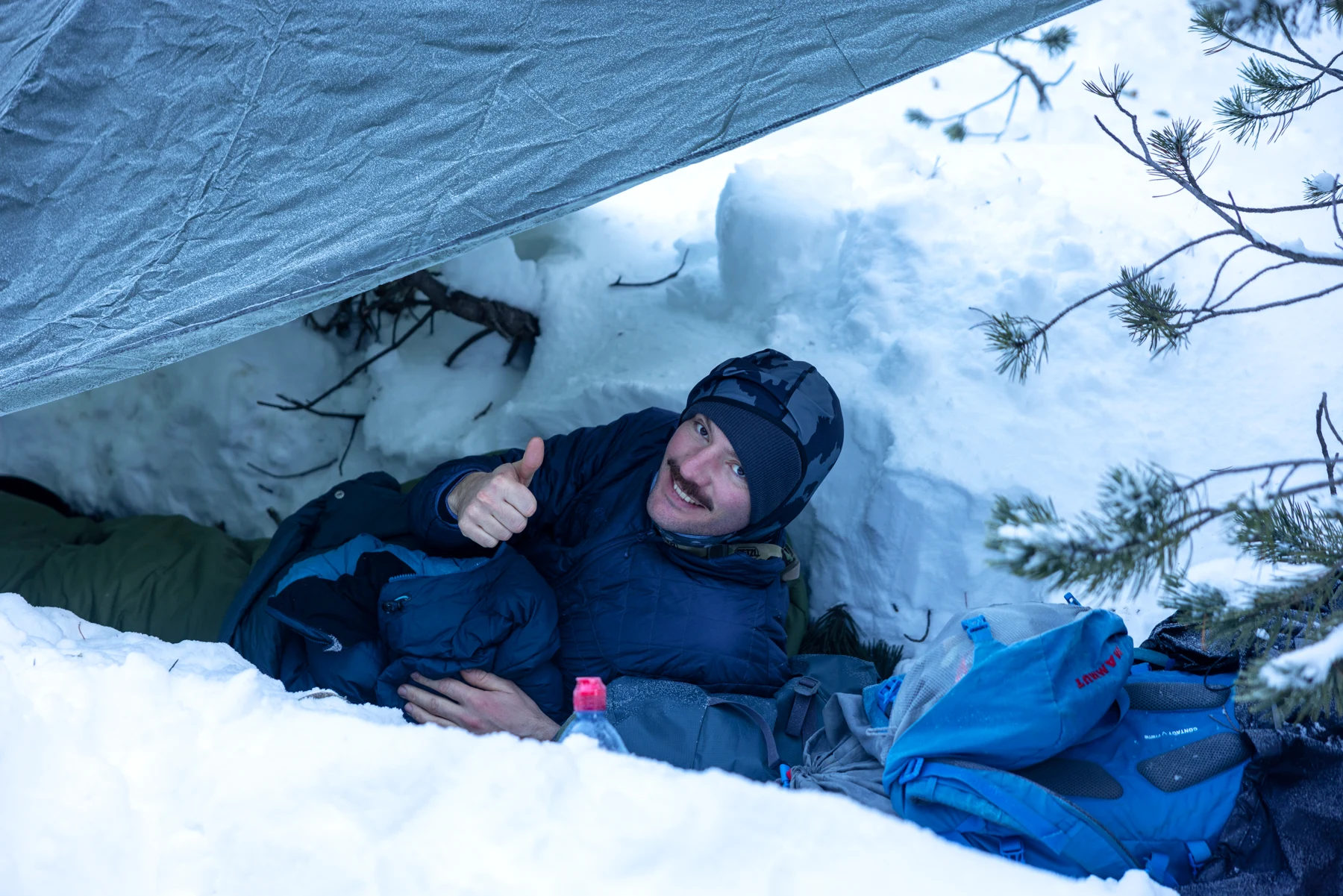
Read the storyWinter camps, underwater rehearsals and cave expeditions prepare astronauts for different parts of a mission. The key is knowing what each exercise can teach—and what it cannot reproduce.
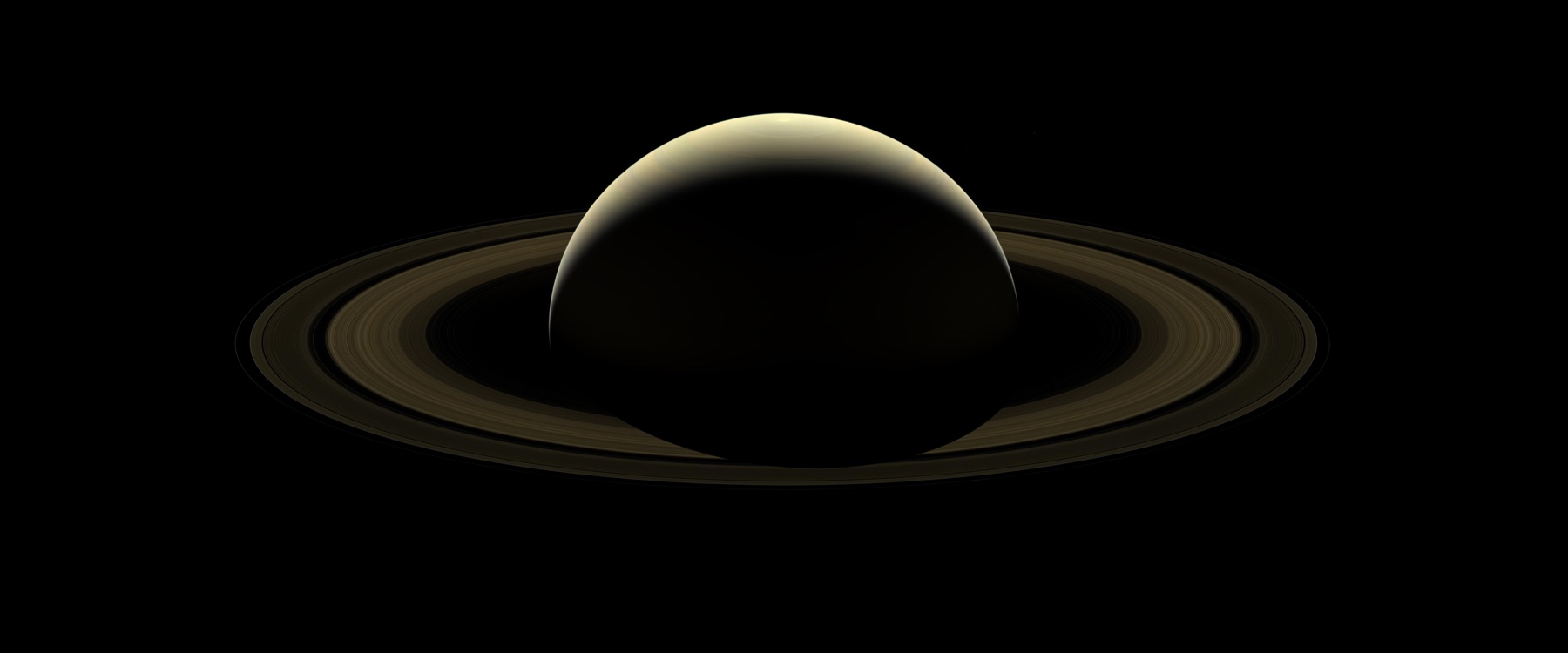
Read the storyCassini still worked when it entered Saturn’s atmosphere. Its planned ending protected the moons, used a dwindling resource, and opened a final window into the planet.
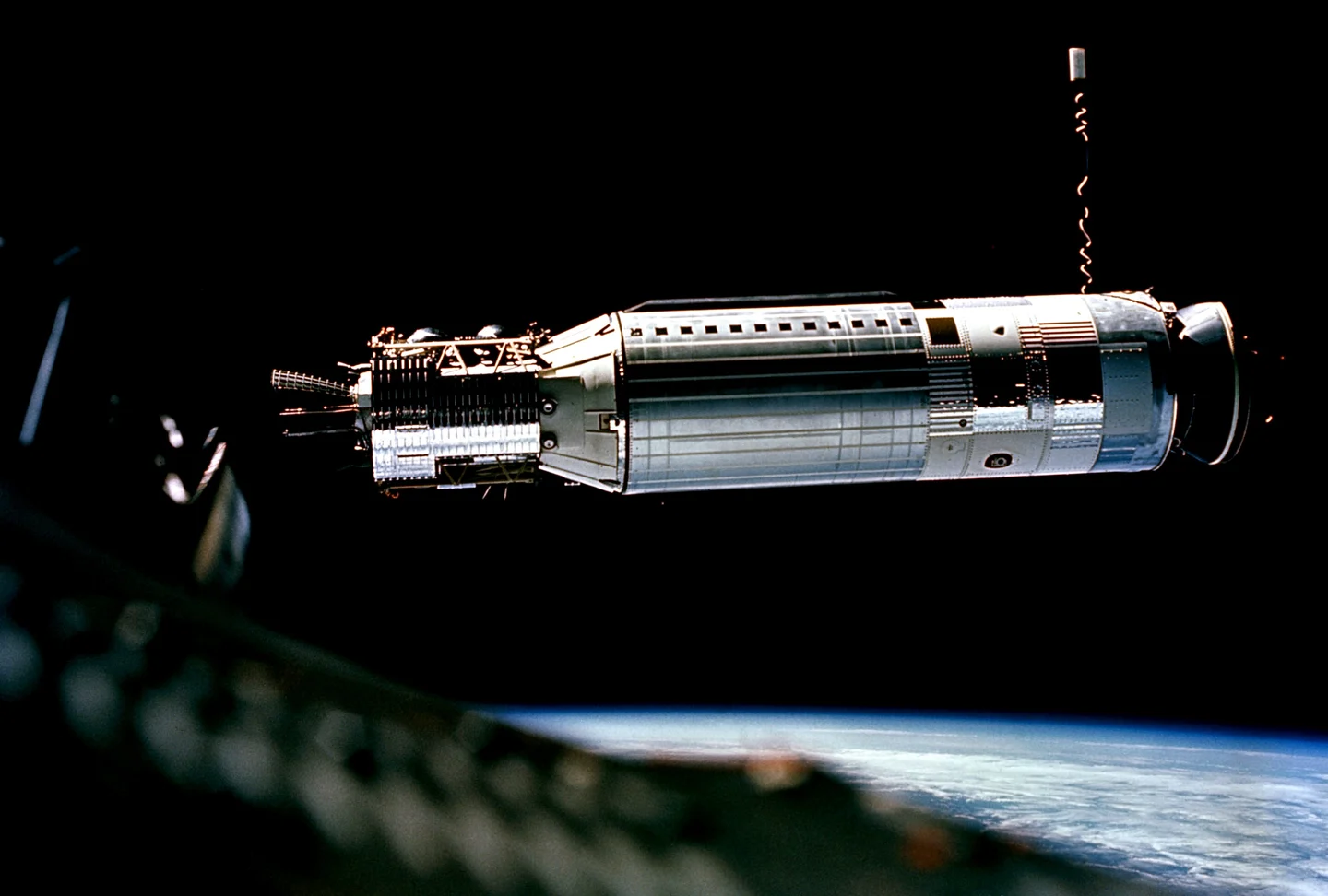
Read the storyHow Armstrong and Scott met Agena in orbit, why a faulty thruster made separation dangerous, and what the original flight report reveals about the rescue.
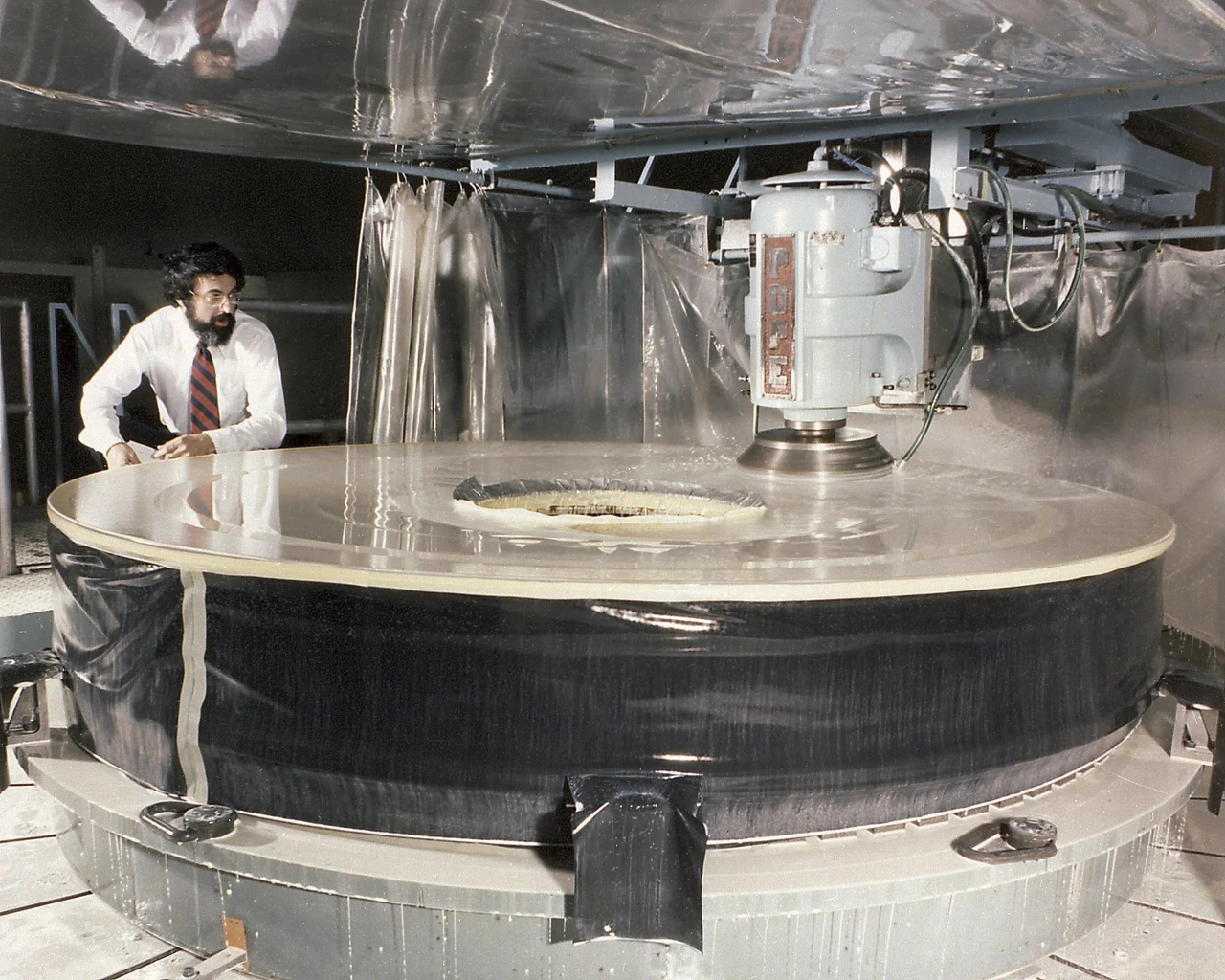
Read the storyThe mirror stayed in orbit. Corrective optics restored a sharp view. Here is what went wrong, how the repair worked, and how to read the before-and-after images.
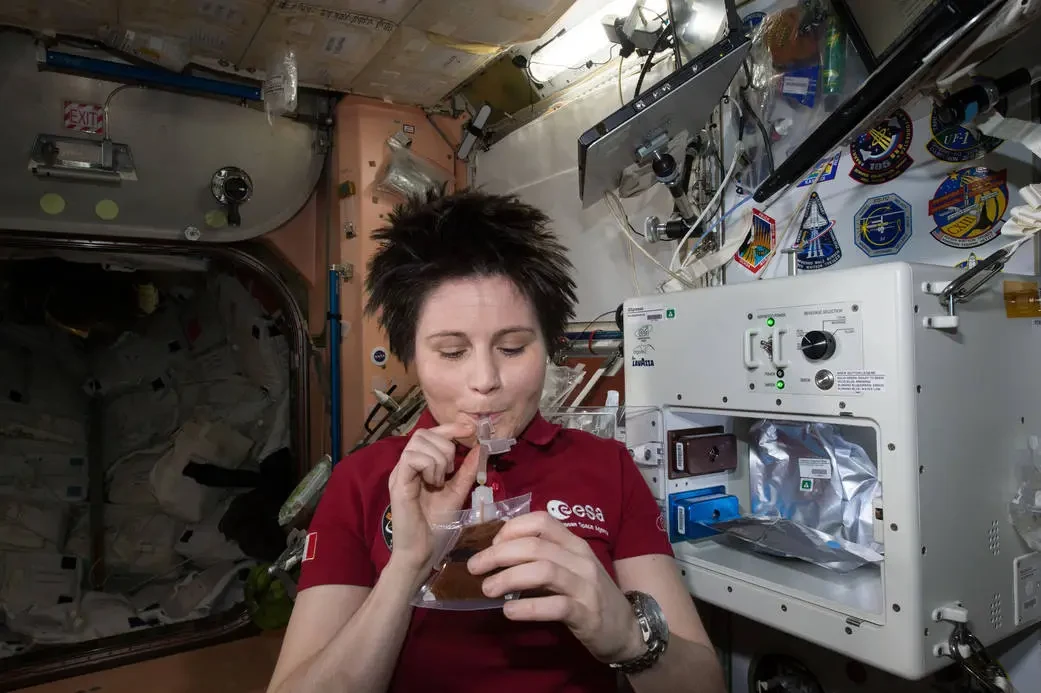
Read the storyAn espresso machine, a sealed pouch and a capillary cup solved three different problems aboard the space station. Here is what each one did—and what the million-dollar comparison leaves out.
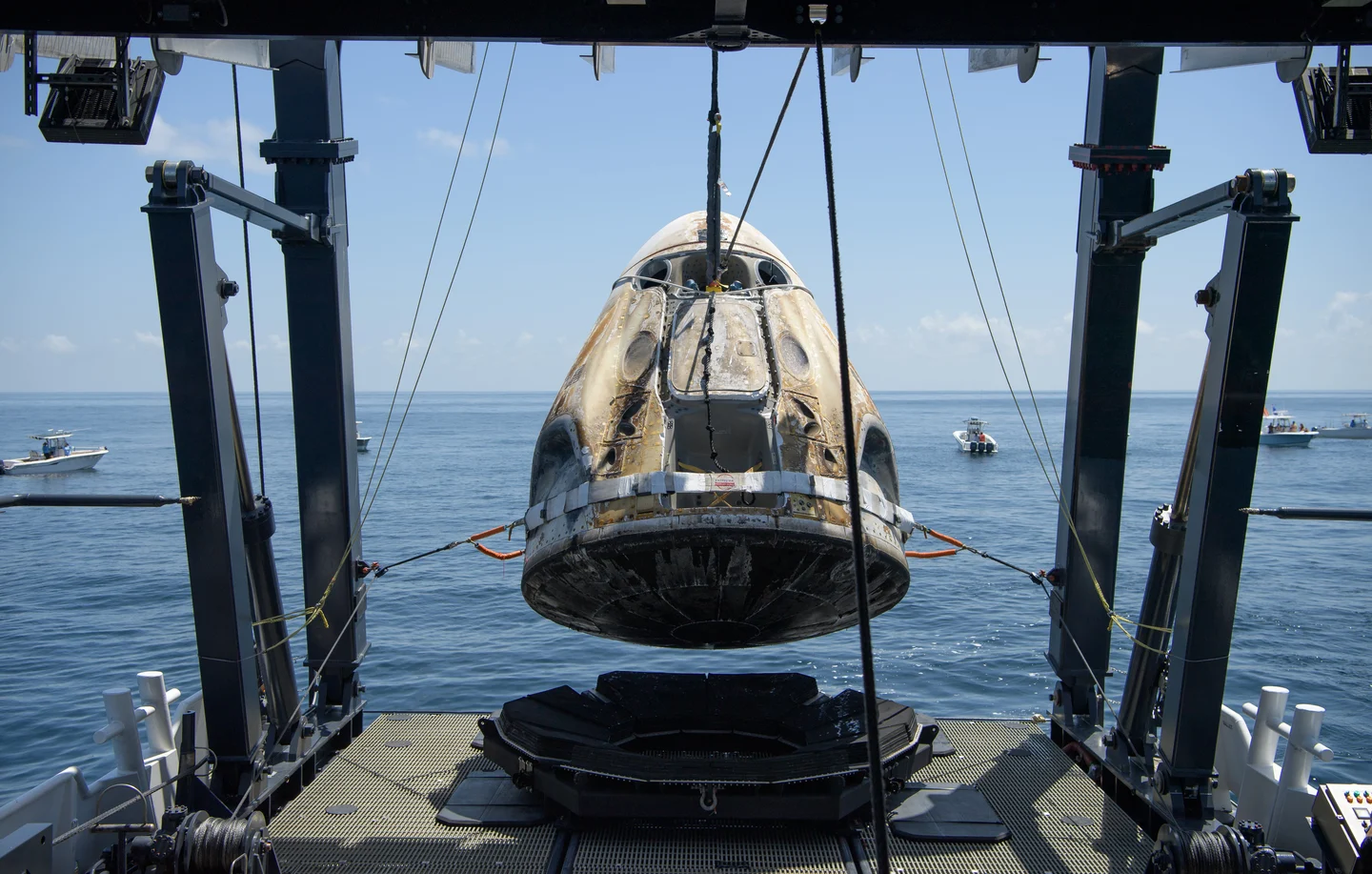
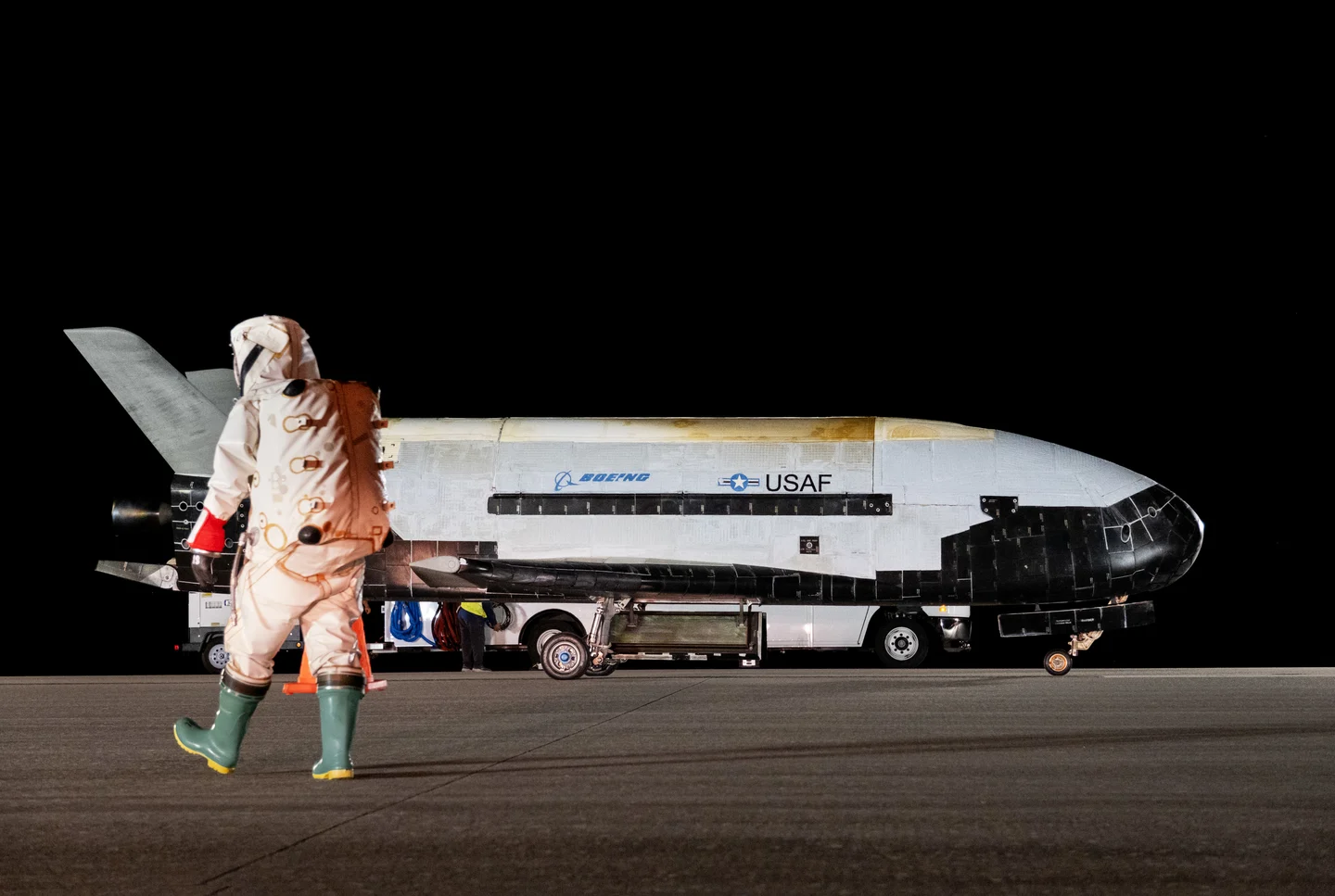
Read the storyShuttle, Dragon and Orion solve different problems. Explore how mission design, heat shields, lift, launch escape and recovery determine the shape of a spacecraft.
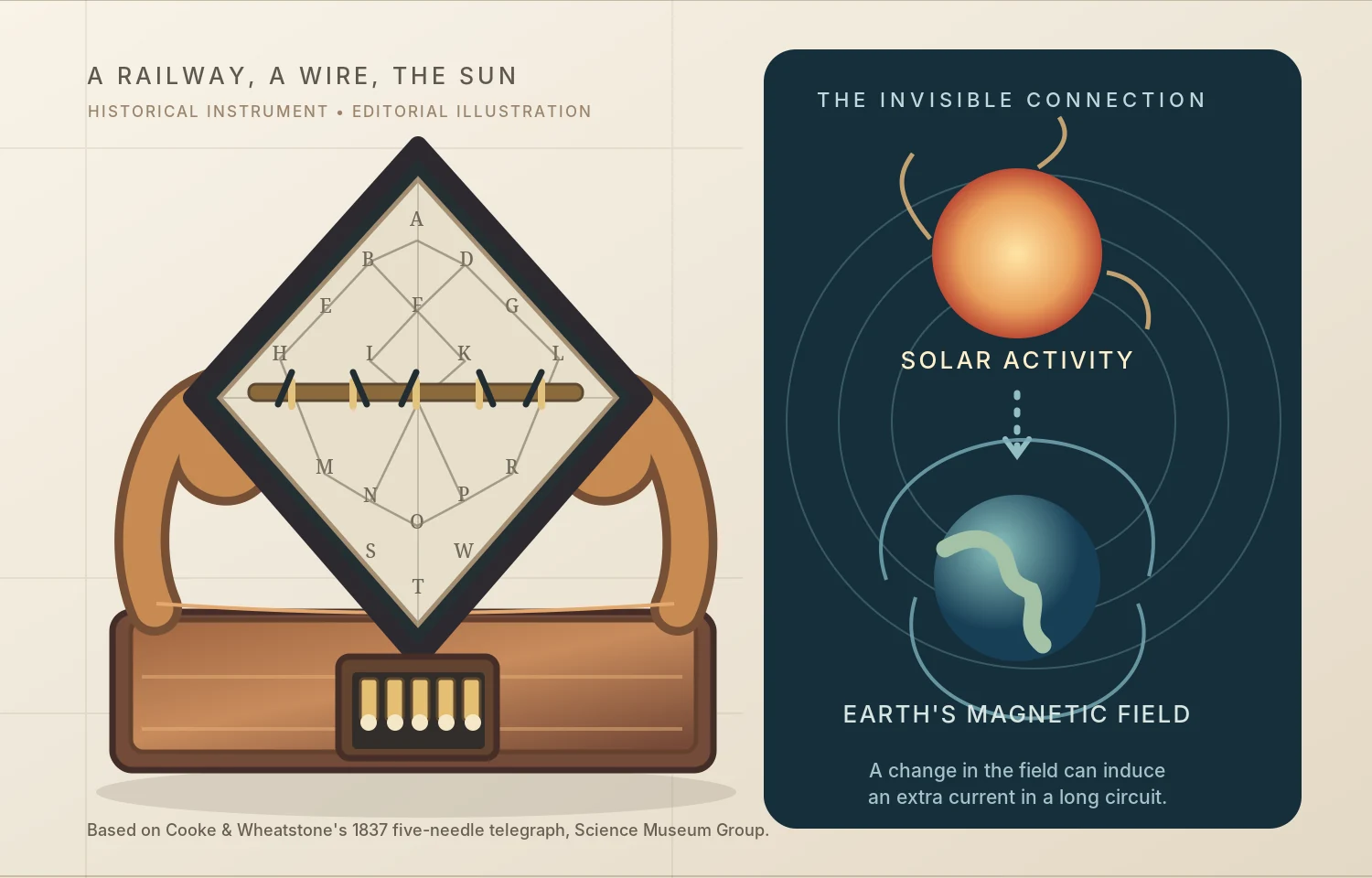
Read the storyA Victorian train delay, a disputed date, and the invisible electrical chain that connects solar storms to signals on Earth.
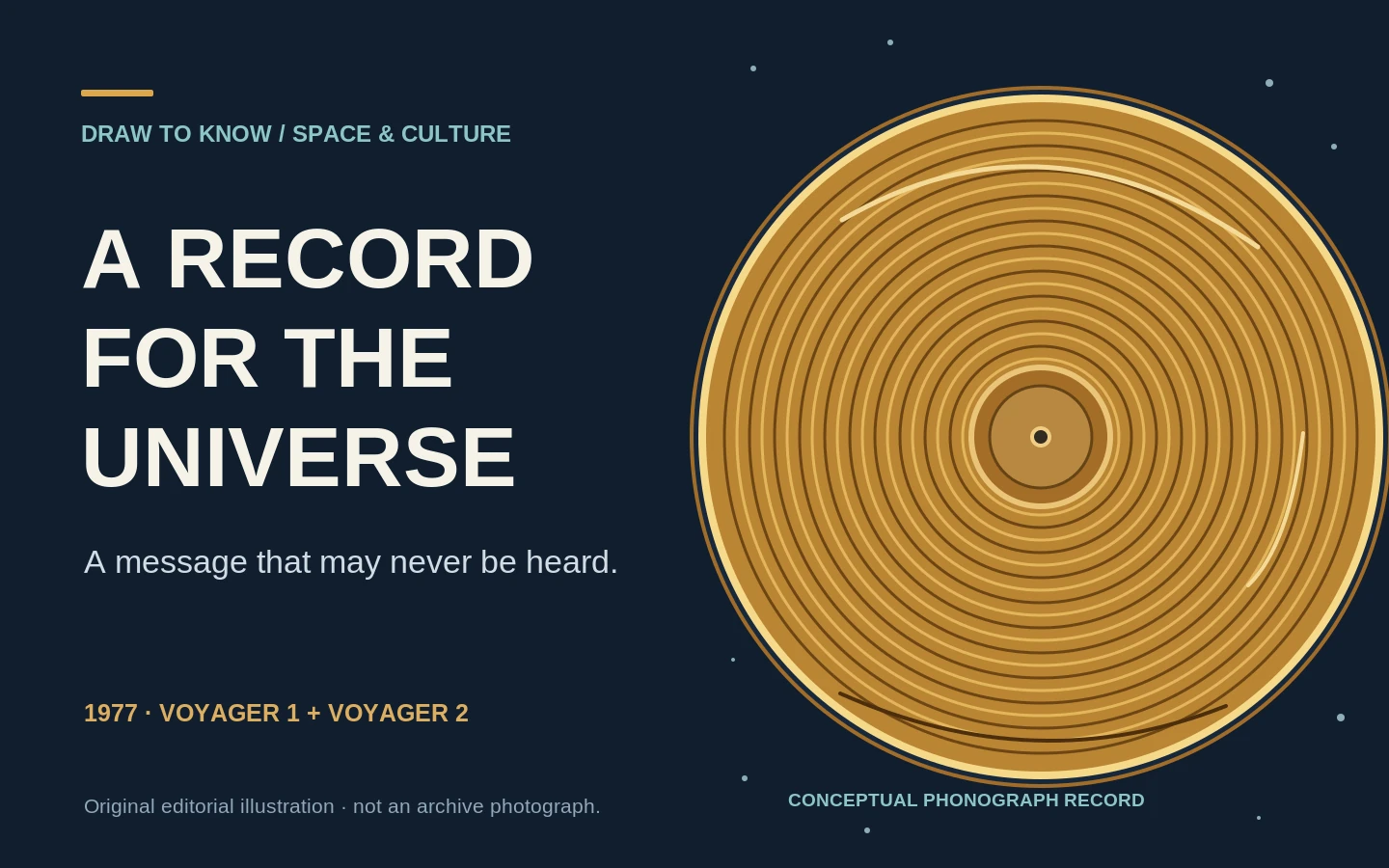
Read the storyA child’s greeting, music from Earth, and pictures stored in a groove. Explore the real record, its playback instructions, and the gap between decoding a signal and understanding a world.
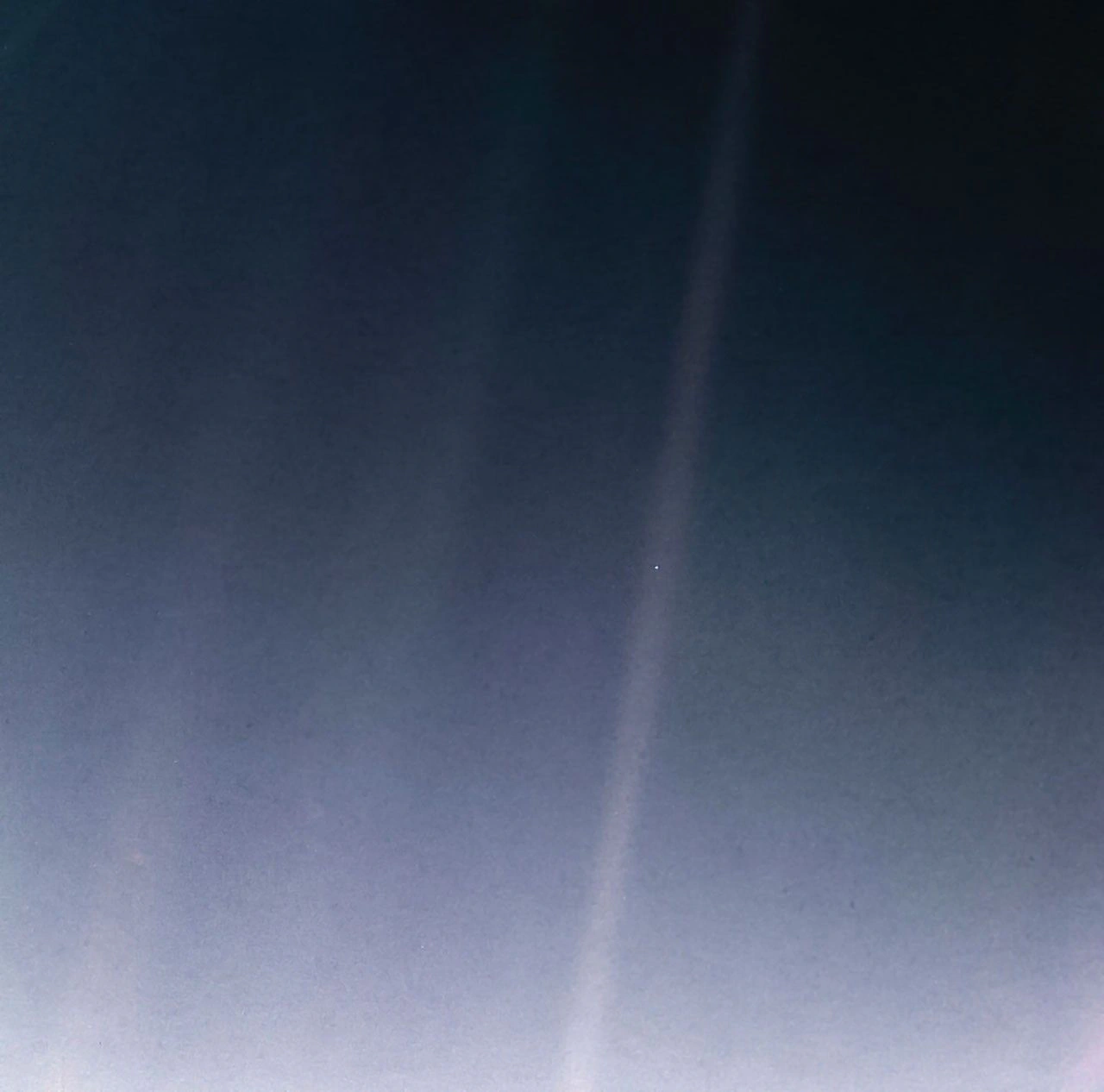
Read the storyA tiny Earth, a television camera in deep space, and sunlight scattered through the optics. Follow the physics behind the photograph with four explanatory diagrams.
Read the storyFrom orbital energy to the final flare: how sensors, guidance, ground teams and years of testing make an automatic runway return possible.
Read the storyCassini still worked when it entered Saturn’s atmosphere. Its planned ending protected the moons, used a dwindling resource, and opened a final window into the planet.
An espresso machine, a sealed pouch and a capillary cup solved three different problems aboard the space station. Here is what each one did—and what the million-dollar comparison leaves out.
The handshake in orbit depended on years of cooperation and hardware designed to meet in the middle.
Follow a pioneering orbital docking and the emergency that cut the mission short.
A telescope, an optical mistake and the mission to correct its view.
Look back at Earth through Voyager's camera and consider what a tiny point of light can show.
Compare two spacecraft and the problem of bringing a winged vehicle back from orbit.
Video links are not available yet.
Explore why different spacecraft use different shapes to return to Earth.
Follow the Apollo 8 crew to lunar orbit and the photograph that turned their attention home.
A railway message, a restless magnetic field and the engineering problem we now call space weather.
Trace an aurora's greens, reds and purples to collisions high in the atmosphere.
Explore the Marius Hills pit and the questions scientists ask about the space beneath the lunar surface.
Video links are not available yet.
See how comparing orbital images can reveal a change no one watched happen.
Discover what X-ray observations can uncover beyond the view of visible-light telescopes.
Winter camps, underwater rehearsals and cave expeditions prepare astronauts for different parts of a mission. The key is knowing what each exercise can teach—and what it cannot reproduce.
Video links are not available yet.
How Earth’s sounds and pictures fit into a phonograph groove, and how an unknown finder might decode them.
Video links are not available yet.